Maths for AI Safety Workshop
30th Oct – 1st Nov 2026 · Bonn, Germany
Our first weekend workshop where mathematicians used maths to explore problems in AI safety and form collaborations, for PhDs, postdocs and faculty members.
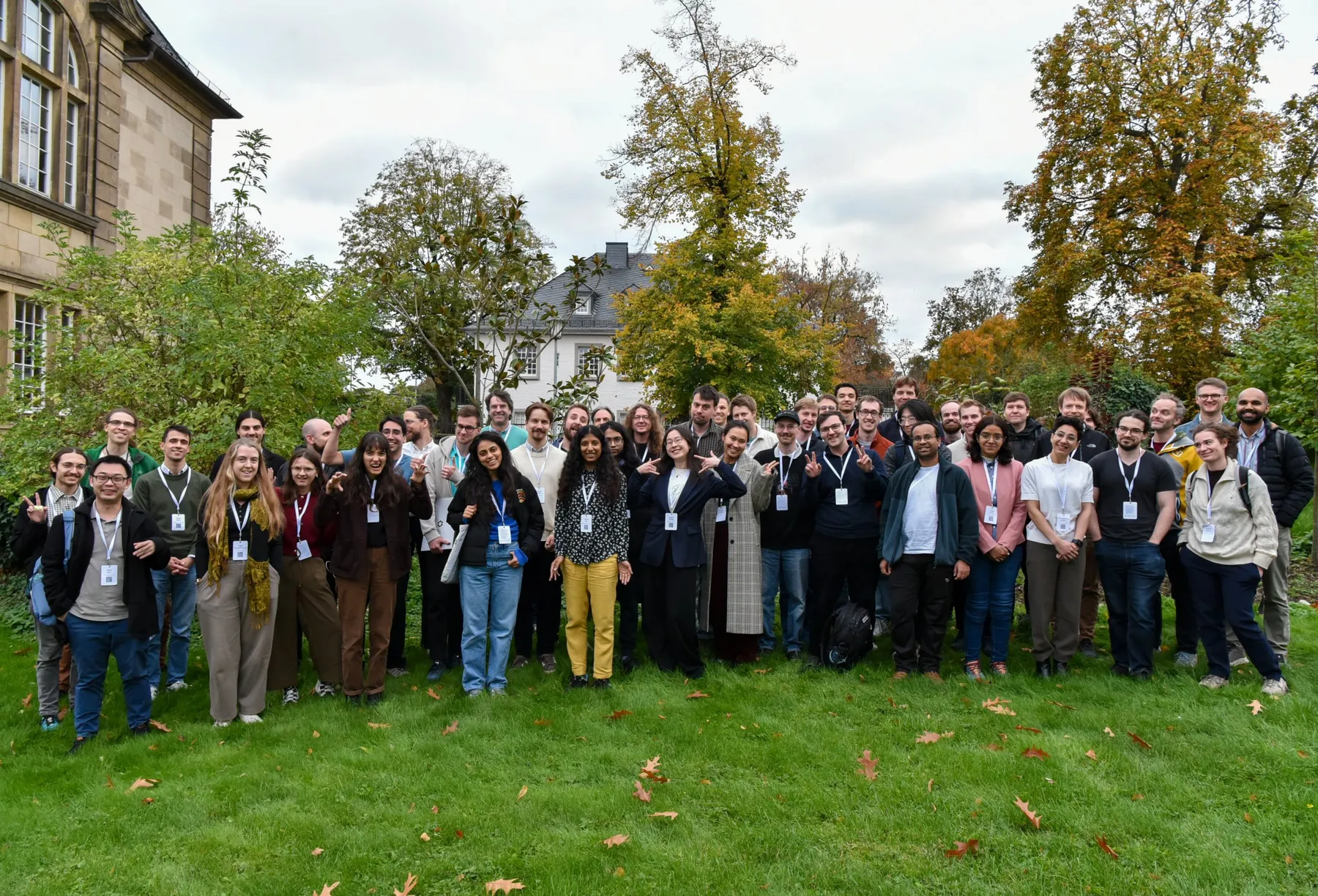
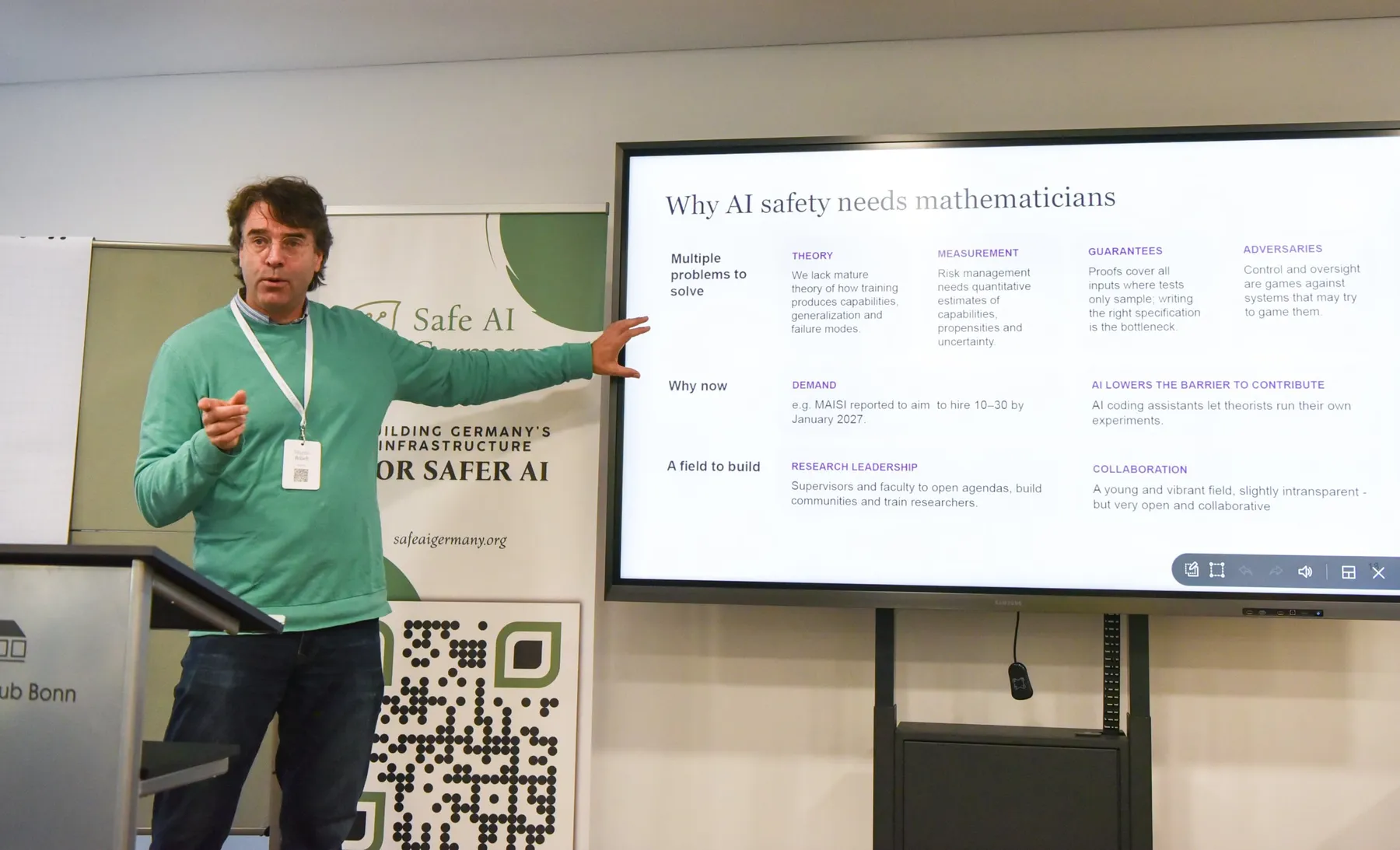
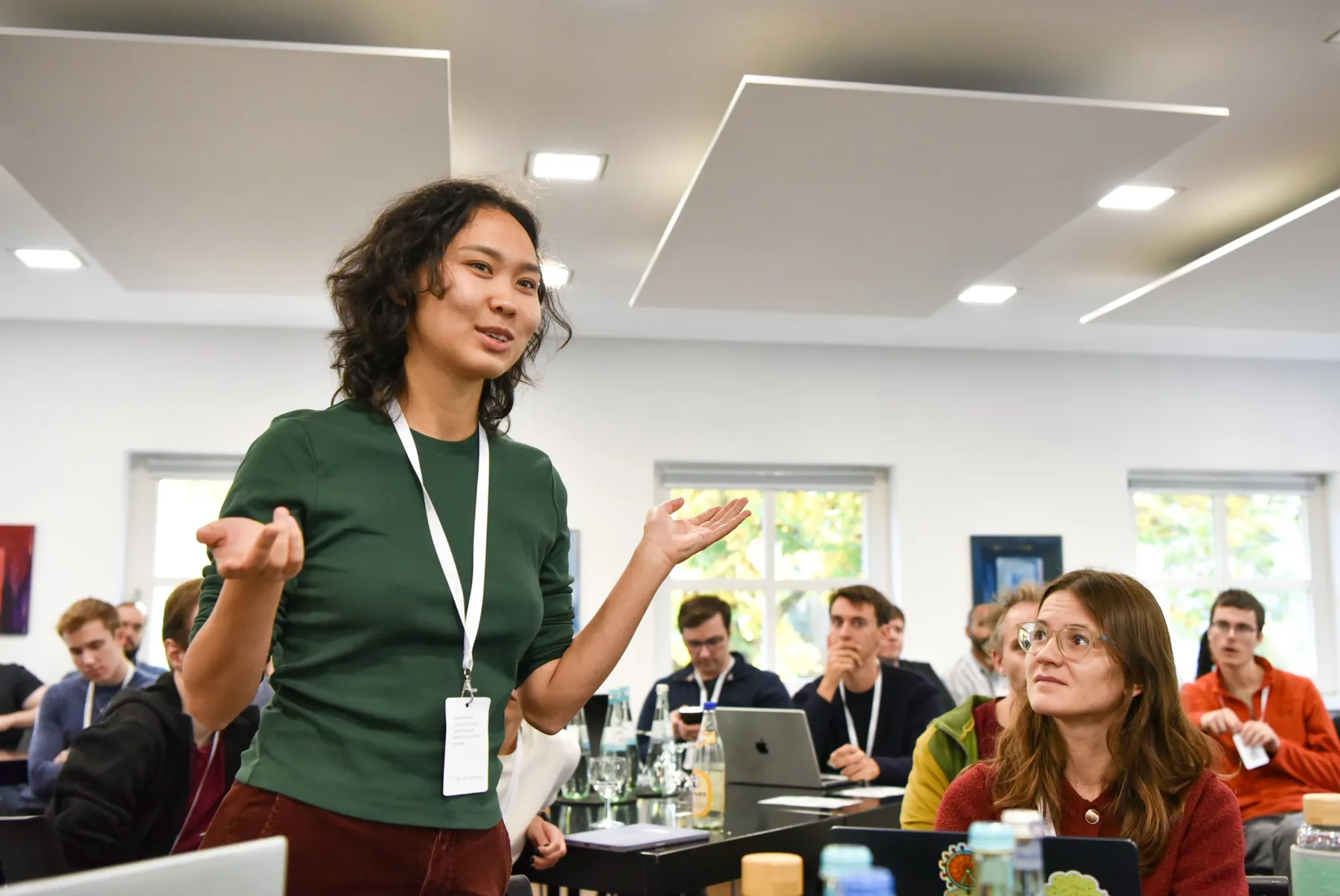
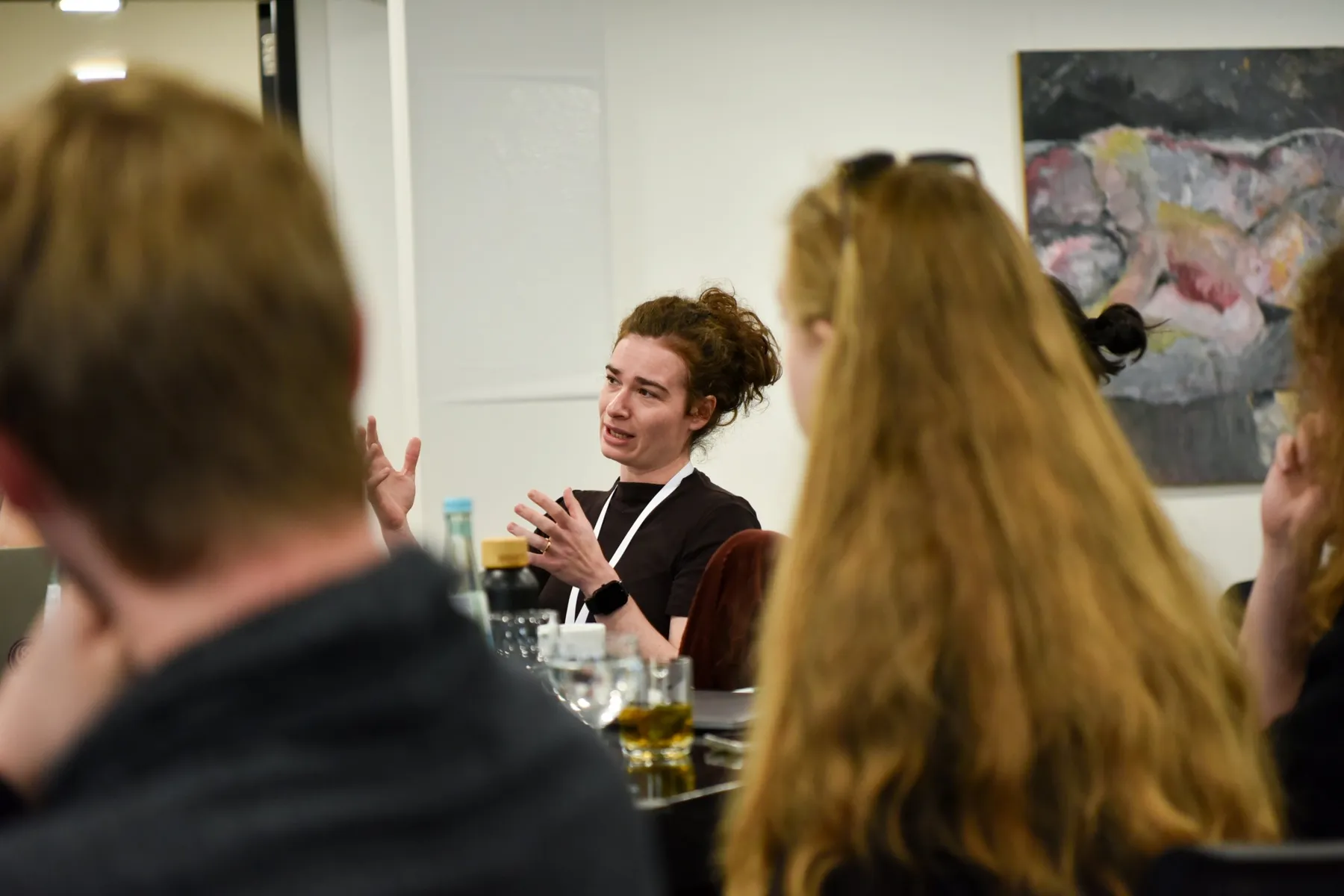
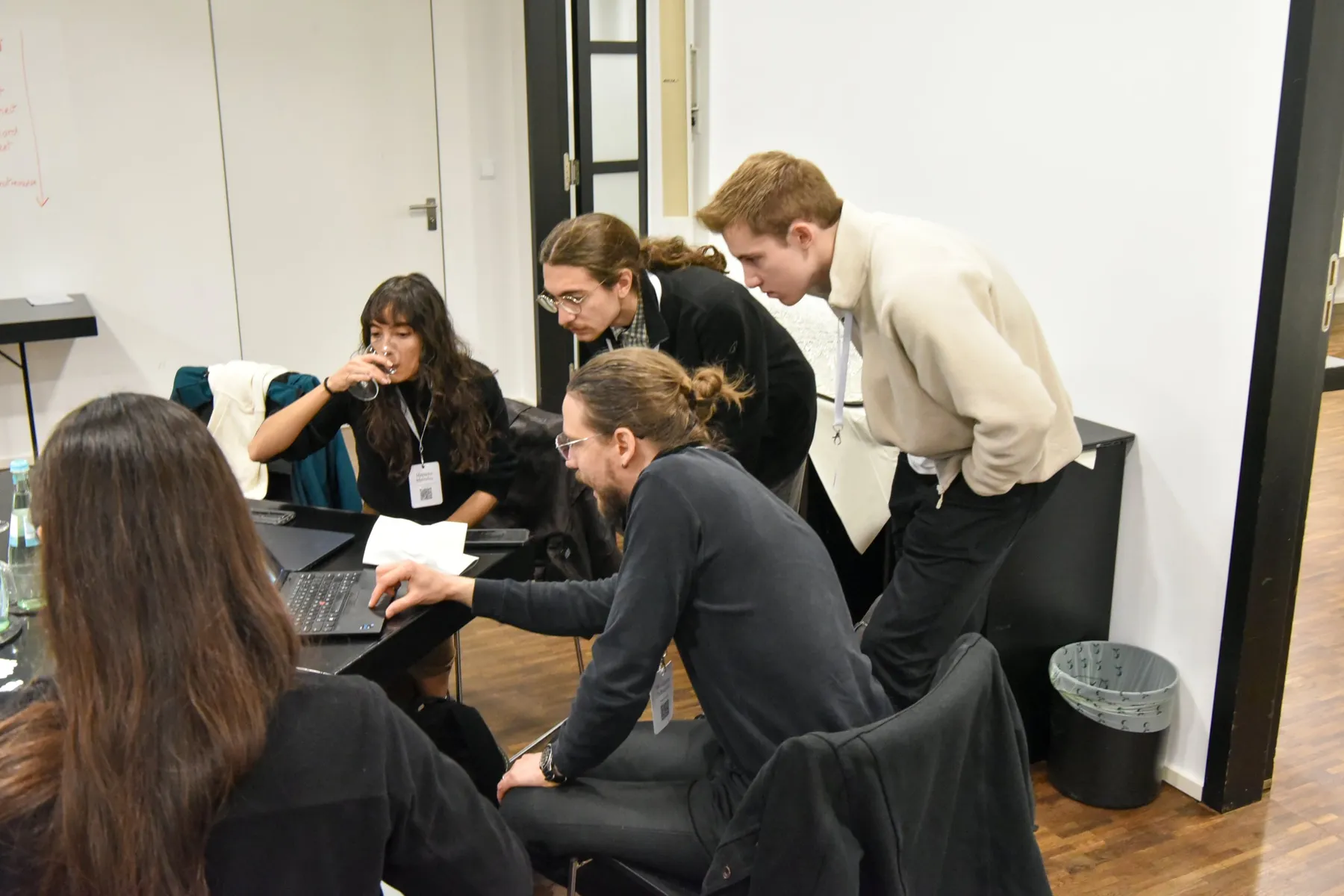
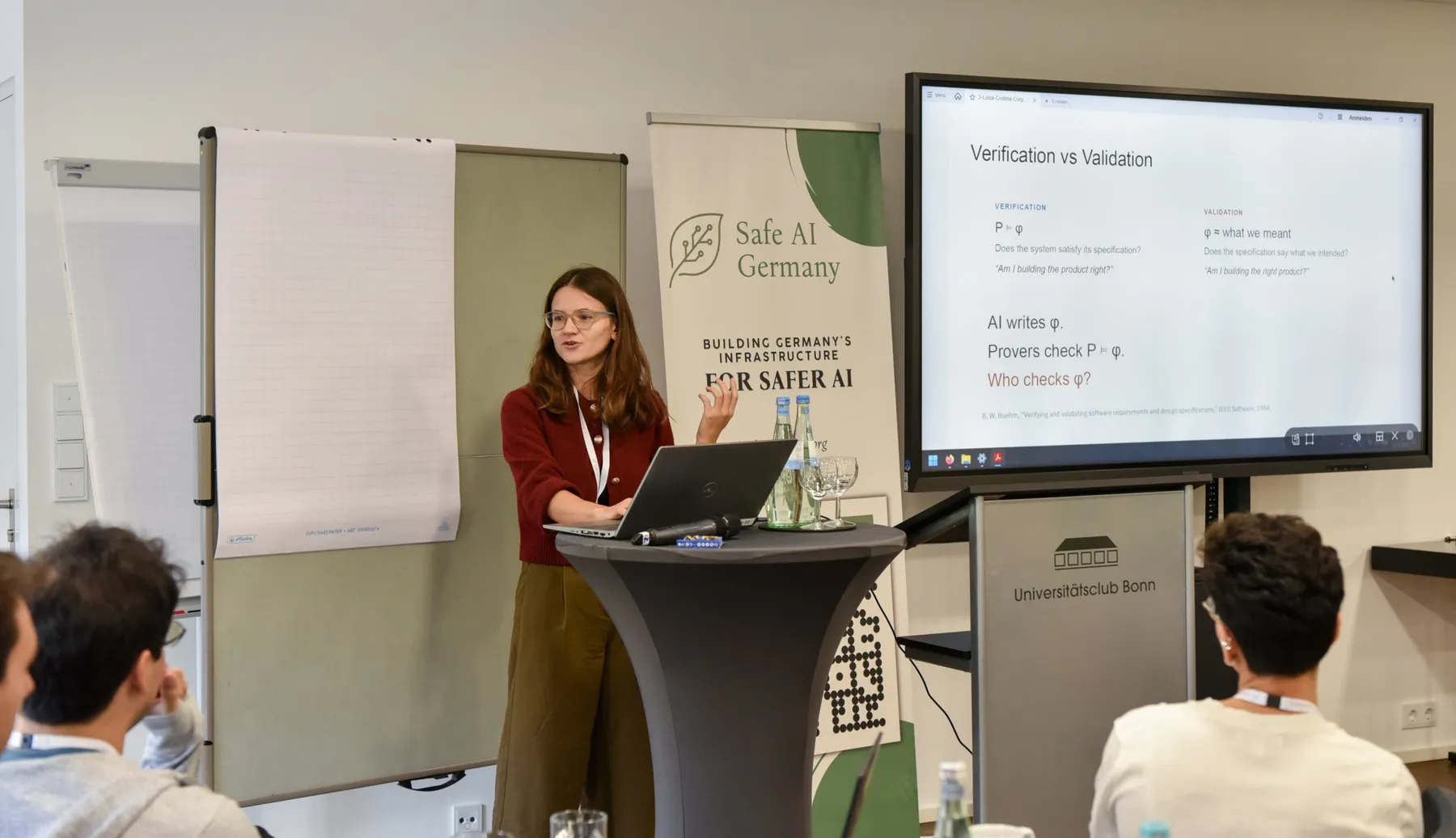
Photos
Speakers
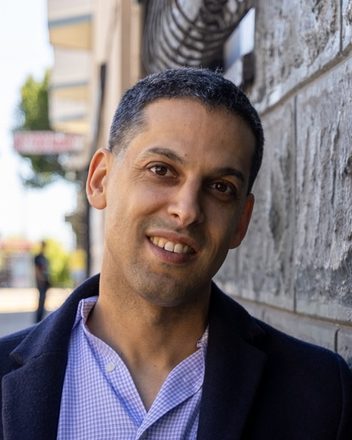 Lionel LevineCornell University
Lionel is a maths professor at Cornell. His research is aimed at increasing the probability that future AI systems benefit all of humanity and the planet. Some things he has worked on are how to quantify value alignment and character traits in language models, a definition of AGI, a mathematical reasoning benchmark, a metric for belief coherence, and hidden incentives for planning.
Website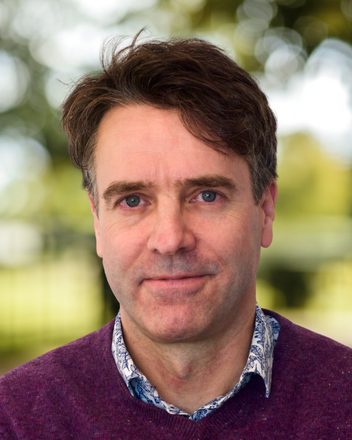 Martin RuschSaferAI
Martin is the Chief Operating Officer at SaferAI. His research interests include AI-driven systemic risks to the financial system and frontier model risk management. Previously managed large-scale product, engineering and data teams in tech companies. Holds a DPhil in theoretical physics from Oxford.
Website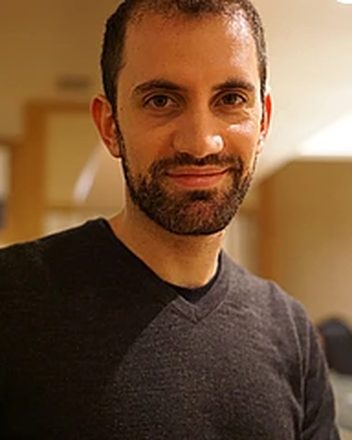 Kyler SiegelImperial College London
Kyler is an assistant professor of mathematics at Imperial College London and a tenured associate professor (on leave) at the University of Southern California. His background is in symplectic geometry but also has projects in AI safety and interpretability.
Website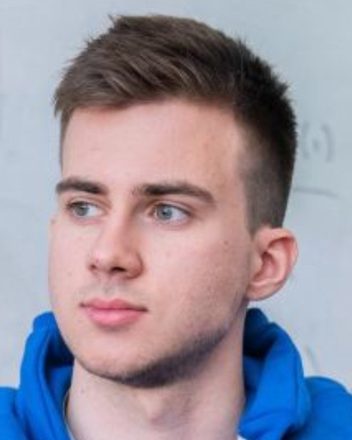 Sergei SmirnovUniversity of Helsinki
Sergei is a PhD researcher in Computer Science at the University of Helsinki, focusing on empirical AI safety and LLM evaluations. He has 5+ years of ML engineering experience, built CivAI’s public AI Values demo, and completed research fellowships at MARS and SPAR.
LinkedIn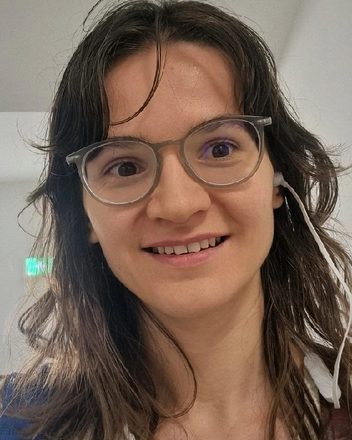 Luiza Cristina CorpaciTU Wien
Luiza is an MSc student at TU Wien with a background covering chip design (Marvell), combinatorial testing (SBA Research, Vienna), and interpretability/explainability (University of Vienna). At AMD, she worked on AI-assisted hardware verification, helping develop pipelines that translate natural-language specifications into code artifacts with formal verification in the loop. Her current research explores the reliability of AI-generated formal specifications, particularly how to detect and characterize semantic drift between intended and formalized meaning.
Google Scholar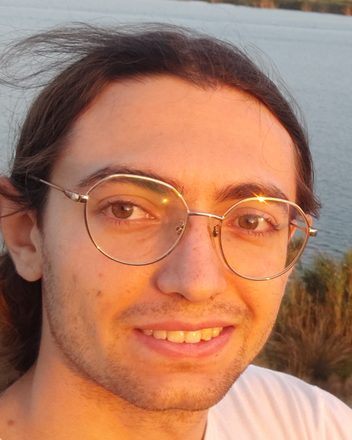 Leonardo Costa LesageIliad
Leonardo is currently a fellow at Iliad, working on synthetic graph models of debate. He participated in the Iliad Intensive in the June cohort. Previously, he spent a year at Oxford studying the chaotic dynamics of the 3-body problem and connecting it with symplectic geometry. This was part of his last year of a double bachelor’s degree in Math and Engineering Physics at CFIS (UPC) in Barcelona. He has always been a math enthusiast and participated in math olympiads in high school.
LinkedIn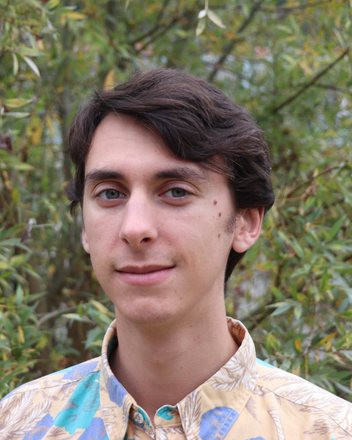 Léo DanaInria Paris
Léo is a French maths PhD student advised by Loucas Pillaud-Vivien and Francis Bach at Sierra, Inria Paris. His research interests are in understanding deep-learning systems through mathematical/theoretical tools, in particular during training and deployment. He was a fellow at MATS 4.0, ML4Good mentor, and teaches the Turing seminar at Master MVA.
Website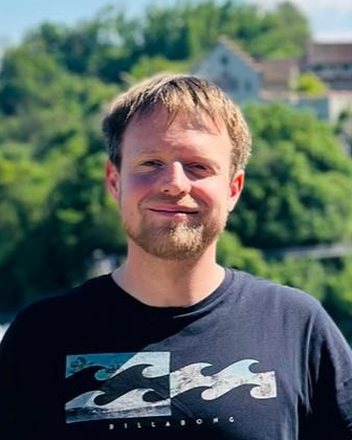 David PrinzIliad, London Initiative for Safe AI
David is a mathematical physicist and Iliad Fellow at the London Initiative for Safe AI. Trained in quantum field theory, with a focus on Hopf algebraic renormalization and the BV-BRST quantization of gauge theories, he now works on the mathematical foundations of machine learning, especially singular learning theory, with an eye towards theoretical aspects of alignment.
Website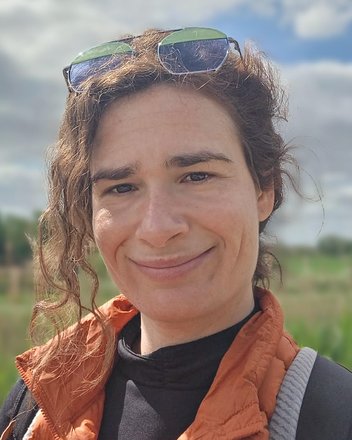 Renata PicciottoUniversity College London
Renata is a postdoc researcher at University College London working in Enumerative Geometry. She is also an Iliad Fellow working on the geometry of ReLU networks.
Website
Agenda
- Informal dinner for attendees and organisers
- Why AI safety, and where maths comes in
- Linking areas of maths to open problems
- Small group sessions in the afternoon
- Groups present ideas and possible projects
- Next steps
- Close, then lunch in town together, at your own cost
Organising team
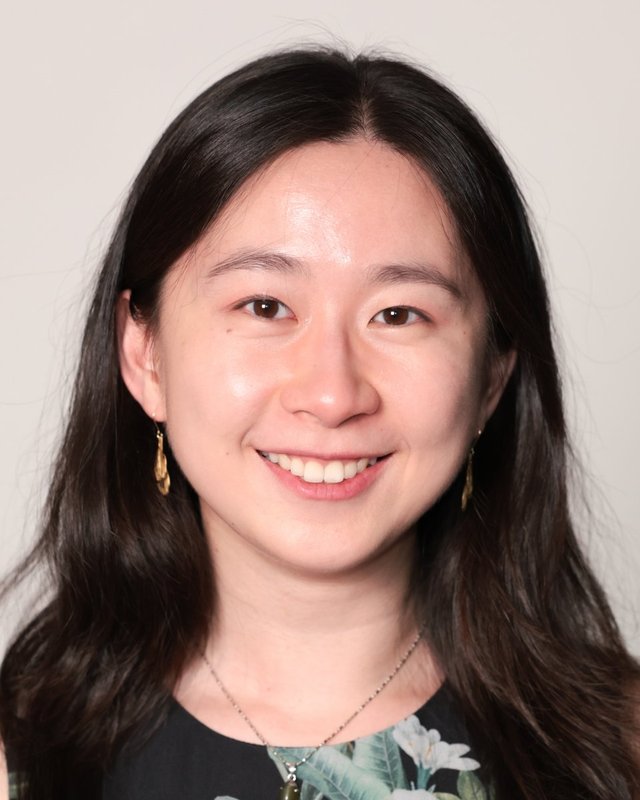 Jessica P. WangFounder & Executive DirectorSafe AI Germany
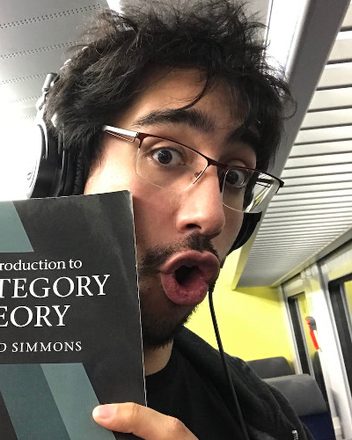 André VidelaDirectorGlasgow Lab for AI Verification
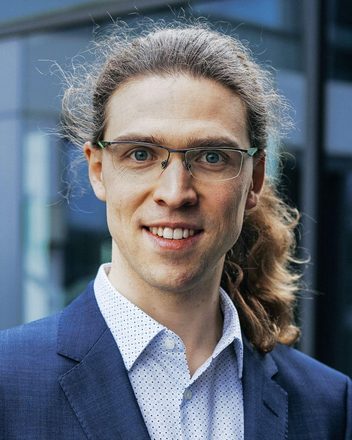 Claudius ZibrowiusProfessor in Low-Dimensional TopologyBochum University
Organised by

Financially supported by
Future workshops
Sign up for our newsletter to hear about future workshops.